Bed Bug Shells: What You Need to Know
Disclaimer: This post may contain affiliate links. As an Amazon Associate, we earn from qualifying purchases.
If you’ve found light brown or translucent shells around your mattress, bed frame, or furniture, there’s a good chance you’re looking at bed bug shells.
These shed skins are one of the clearest signs that bed bugs have been active in your home. Because bed bugs molt as they grow, finding these shells usually means the infestation is ongoing rather than old or inactive.
Knowing what bed bug shells look like and where to find them can help you catch a problem earlier and take action before it gets worse.
Key Takeaways
- Bed bug shells are shed exoskeletons left behind as bed bugs grow.
- They are often found near mattress seams, furniture cracks, and other hiding spots.
- Finding shells usually means bed bugs have been active in the area.
- Early identification can make treatment easier and help limit the infestation.
- If you keep finding shells, it may be time to call a pest control professional.
Introduction to Bed Bugs
Bed bugs are small insects that feed on blood, usually while people are sleeping. Their scientific name is Cimex lectularius, and they are known for hiding in tight spaces close to where people rest.
They are often found in mattress seams, bed frames, upholstered furniture, and cracks near sleeping areas. Even though they usually feed at night, they can come out during the day if they are hungry enough.
One reason bed bugs become such a problem is how quickly they multiply. A single female can lay a large number of eggs over her lifetime, and infestations can grow faster than many people expect.
Bed bugs do not spread disease, but they can still cause a lot of problems. Their bites may lead to itching, skin irritation, and loss of sleep. Some people react strongly, while others do not react at all, which makes infestations harder to catch early.
They can also survive for long periods without feeding, which is one reason bed bug problems can linger if they are not treated properly.

What Are Bed Bug Shells?
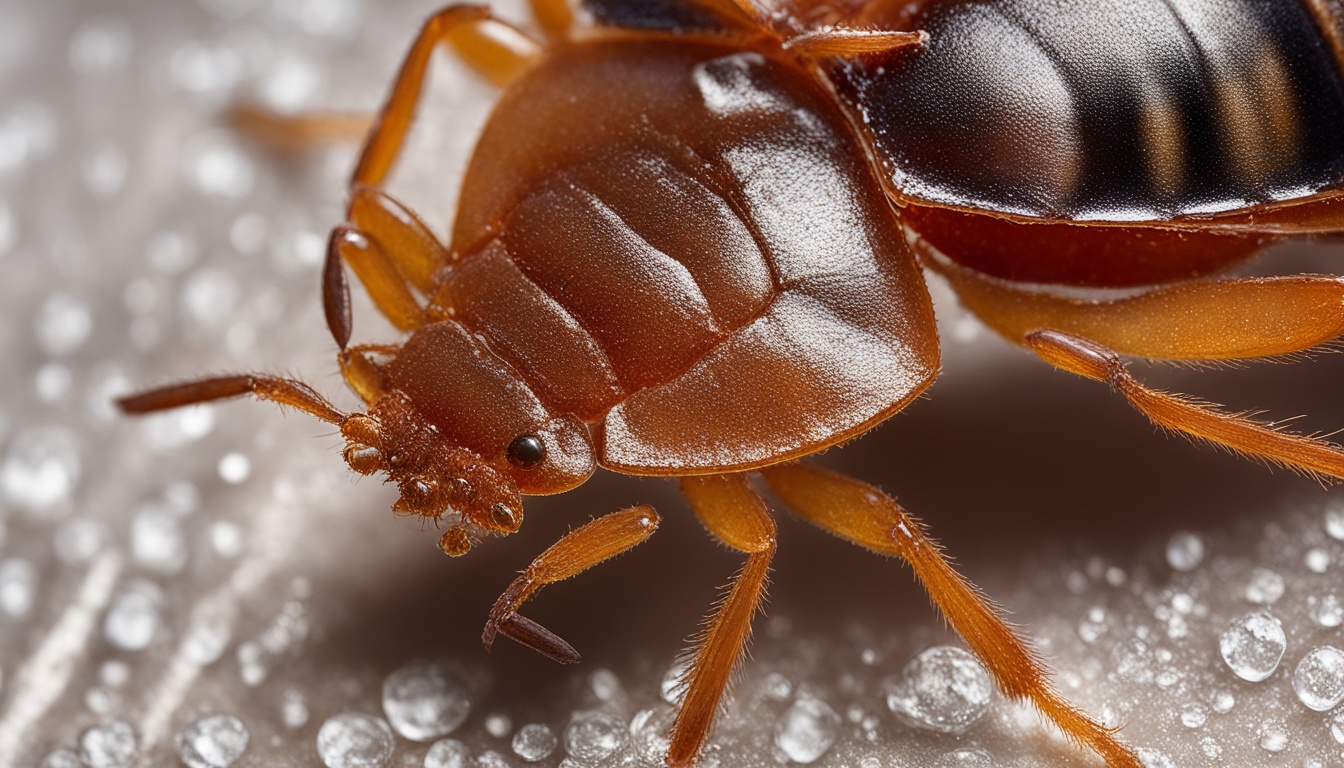
Bed bug shells are the empty outer skins bed bugs leave behind as they grow. These shells are also called casings or exoskeletons, and they are one of the most common signs of an active infestation.
Because bed bugs go through several growth stages before becoming adults, they shed their skins more than once. That means finding multiple shells in one area can be a strong clue that more than one bed bug is present.
Understanding Their Exoskeletons
Like other insects, bed bugs have a hard outer layer that protects their bodies. As they grow, that outer layer becomes too tight, so they shed it and leave behind an empty shell.
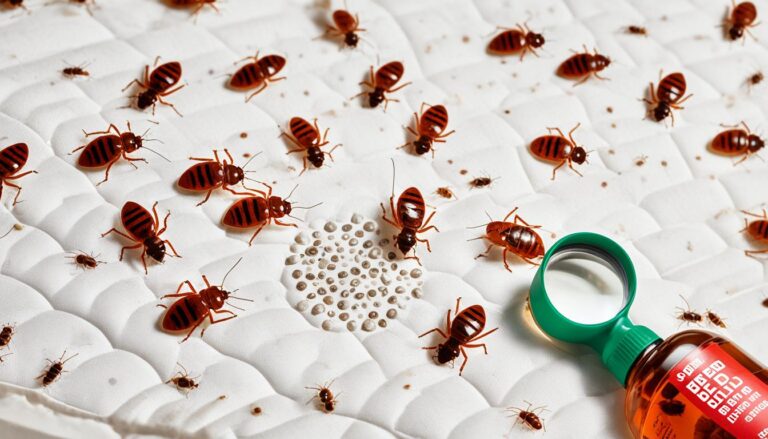
These shells are usually pale, light brown, or slightly translucent. They often look like hollow versions of the bug itself and can be easy to miss if you are not looking carefully.
How Bed Bugs Grow and Shed
Bed bugs pass through several stages before becoming adults. After each stage, they molt and leave behind another shell.
That is why bed bug shells are such an important sign. They show that bed bugs are not just present, but growing and continuing their life cycle in the area.
If you are seeing shells in several places, that usually points to ongoing activity rather than a one-time problem.
Signs of Bed Bugs in Your Home
Bed bug shells are one warning sign, but they are not the only thing to watch for. The more signs you notice together, the more likely it is that you are dealing with a real infestation.
Recognizing Bed Bug Bites
Bed bug bites often appear in small clusters or lines, usually on exposed skin. They may look like mosquito bites, small red bumps, or irritated patches of skin.
Some people react strongly to them, while others barely react at all. That is one reason bed bugs can go unnoticed for longer than expected.
The Importance of Early Detection
Early detection matters because bed bug infestations are much easier to manage when they are still small.
If you notice bed bug shells, fecal spots, blood stains, or bites around the same time, it is smart to inspect more closely right away. Waiting too long gives bed bugs more time to spread into nearby furniture, walls, and other rooms.
For more background on where they hide, you can also read about bed bug nests.

Where to Find Bed Bug Shells
If you want to find bed bug shells, the best places to look are the same places bed bugs like to hide.
They prefer dark, tight spaces close to where people sleep, so shells often show up in those same areas.
Common Hiding Spots
- The seams of mattresses
- Edges of box springs
- Behind headboards
- In the crevices of furniture
- Along baseboards
- Underneath rugs and carpets
- Inside dresser drawers
- Along the edges of curtains
- In luggage after travel
Identifying Clusters of Casings
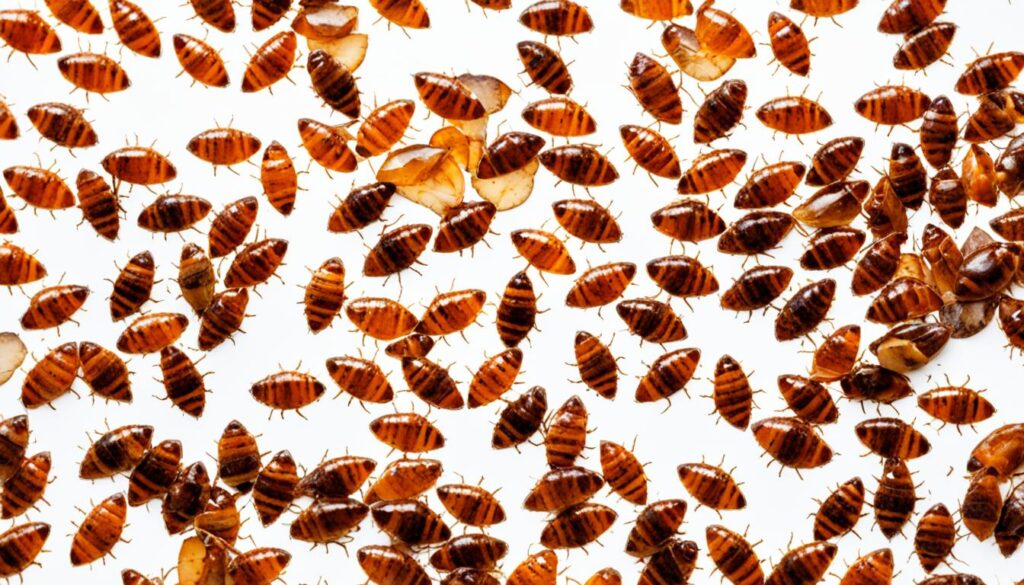
One shell can be a warning sign, but clusters of shells usually point to a more established infestation.
Look for groups of casings in mattress seams, furniture joints, and corners where bed bugs tend to gather. If you are finding several in one area, that usually means the bugs have been feeding and growing there for a while.
The more shells you see, the more seriously you should take the problem.
Identifying a Bed Bug Infestation
Finding bed bug shells is important, but you should also look for other signs before deciding how serious the problem is.
Other Indicators of a Problem
Common signs of a bed bug infestation include:
- Live bugs, which are usually flat, oval, and brownish in color
- Fecal stains, which look like dark specks or smears
- Blood marks on sheets or pillowcases
When several of these signs show up together, the chances of an active infestation are much higher.
Distinguishing Between Shells and Live Bugs
It is easy to confuse bed bug shells with live bugs at first, especially if you are not familiar with what you are seeing.
Shells are empty, dry, and usually lighter in color. Live bed bugs are darker, flatter, and move when disturbed.
Seeing shells means bed bugs have been present. Seeing live bugs means the infestation is still active right now and likely needs immediate attention.
What to Do When You Find Bed Bug Shells
Finding bed bug shells can be stressful, but taking action right away can help you get ahead of the problem.
At that point, the goal is to clean thoroughly, reduce hiding places, and decide whether the infestation is small enough to manage or needs professional treatment.
Immediate Cleaning Tips
- Vacuum the area carefully, especially around mattress seams, bed frames, furniture edges, and baseboards.
- Seal and dispose of the vacuum contents right away so bugs do not spread.
- Wash bedding, clothing, and fabrics in hot water and dry them on high heat when possible.
- Reduce clutter so there are fewer hiding places.
- Seal cracks and gaps around furniture and walls if you can.
When to Call Pest Control
If you continue finding shells after cleaning, or if you see live bugs, eggs, or new bite activity, it may be time to call a professional.
A licensed pest control company can inspect the situation, confirm whether bed bugs are still active, and recommend the best treatment plan. In larger infestations, professional treatment is usually the fastest and most reliable solution.
For more information on identification and control, you can also review this resource.

Bed Bug Casings vs. Live Bed Bugs
Understanding the difference between bed bug casings and live bed bugs can help you judge whether the infestation is old, active, or getting worse.
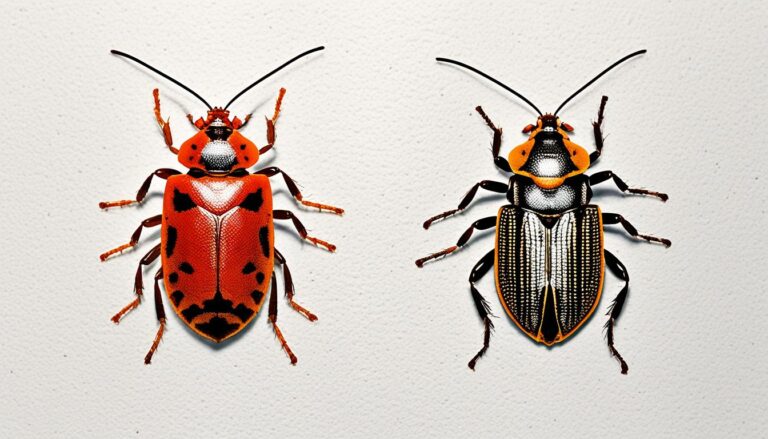
Bed bug casings are shed skins. They are empty, lighter in color, and often found near hiding spots. Live bed bugs are darker, active, and usually found close to where they feed.
Finding many shells is a strong warning sign, but seeing live bugs means the problem is active and needs faster action.
Cleaning thoroughly, washing bedding in hot water, and reducing clutter can help, but bigger infestations often need more than home cleanup alone.
| Observation | Bed Bug Casings | Live Bed Bugs |
|---|---|---|
| Appearance | Pale or translucent, often oval | Darker color, usually brown or reddish |
| Size | 1/16 inch to 3/8 inches | Up to 1/4 inch (fully grown) |
| Location | Commonly in mattress seams, bed frames, furniture | Gathered in groups near feeding sites |
| Lifecycle Stage | Shed skins representing different development stages | Adults and nymphs at various growth stages |
| Significance | Indicator of infestation severity | Active pests needing immediate attention |
Health Risks Associated with Bed Bugs
Bed bugs are not known for spreading disease, but they can still cause real problems for people living with an infestation.
Their bites can lead to itching, irritation, and allergic reactions. In some cases, heavy scratching can break the skin and lead to secondary infections.
Allergies and Asthma Symptoms
Stress from dealing with bed bugs can also affect sleep and make existing health conditions feel worse. Some people report more anxiety, poor sleep, and increased irritation while trying to deal with an infestation.
For people who already have allergies or asthma, the added stress and lack of rest can make symptoms feel harder to manage.
That is one reason it helps to act quickly once you start seeing signs like bed bug shells, bites, or stains.